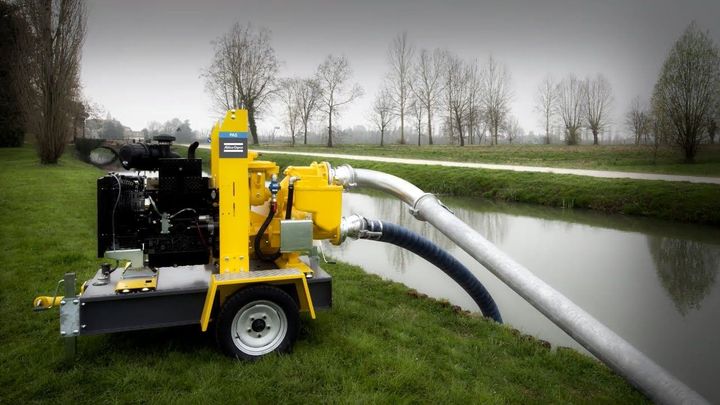
Explore This Guide to Industrial Water Pump Types and Uses
Introduction Industrial water pumps are essential components in countless industries, helping move water and other fluids efficiently from one location to another. From manufacturing facilities and agricultural operations to mining sites and municipal water systems, these pumps support processes that many businesses depend on every day. Although industrial water pumps often operate behind the scenes, their role is significant. They assist with water supply, cooling systems, wastewater treatment, irrigation, and chemical processing. Choosing the right pump can improve operational efficiency, reduce energy consumption, and minimize downtime. This guide explores the different types of industrial water pumps, their common uses, benefits and limitations, current innovations, and practical considerations for selecting and maintaining the right system.
Understanding Industrial Water Pumps
An industrial water pump is a mechanical device designed to transfer water or fluids by converting mechanical energy into hydraulic energy. Depending on the application, pumps may be used to move clean water, wastewater, chemicals, slurries, or liquids containing solids.
Industrial pumps vary widely in design and capacity. Some are built for high-volume operations, while others are designed to generate high pressure or handle specialized fluids.
Common industries that rely on industrial water pumps include:
- Manufacturing and production facilities
- Agriculture and irrigation
- Mining operations
- Oil and gas industries
- Power generation plants
- Municipal water treatment facilities
- Construction projects
- Food and beverage processing
Benefits of Industrial Water Pumps
Industrial water pumps provide numerous advantages across different applications.
Reliable Fluid Movement
Pumps enable the continuous movement of water and fluids necessary for industrial operations.
Improved Efficiency
Modern pump systems are designed to optimize flow rates while reducing energy consumption.
Increased Productivity
Automated pumping systems minimize manual intervention and support uninterrupted processes.
Versatile Applications
Industrial pumps can handle various fluids, including clean water, wastewater, chemicals, and abrasive materials.
Scalability
Businesses can select pumps suited for small operations or large-scale industrial requirements.
Enhanced Safety
Proper pumping systems help manage hazardous fluids safely and support regulatory compliance.
Limitations of Industrial Water Pumps
Despite their advantages, industrial pumps also present certain challenges.
Energy Consumption
Large pumps can consume substantial amounts of electricity if not selected properly.
Maintenance Requirements
Regular inspections and servicing are necessary to maintain optimal performance.
Initial Investment
High-capacity industrial systems may involve significant upfront costs.
Wear and Tear
Exposure to abrasive materials or harsh operating conditions can shorten component life.
Potential Downtime
Improper installation or neglected maintenance can lead to unexpected failures.
Understanding these limitations helps organizations plan maintenance strategies and make informed purchasing decisions.
Major Types of Industrial Water Pumps
Different industrial environments require different pump designs.
1. Centrifugal Pumps
Centrifugal pumps are among the most widely used industrial pumps. They use rotating impellers to move fluids through the system.
Common Uses
- Water supply systems
- HVAC applications
- Irrigation
- Cooling systems
- Industrial processing
Advantages
- Simple design
- Lower maintenance needs
- Suitable for high-flow applications
- Cost-effective
Limitations
- Less efficient with highly viscous fluids
- Performance decreases with changing flow conditions
2. Positive Displacement Pumps
These pumps move a fixed amount of fluid during each operating cycle.
Common Uses
- Chemical processing
- Food manufacturing
- Oil transfer
- Pharmaceutical production
Advantages
- Consistent flow rates
- Suitable for high-pressure applications
- Effective with viscous fluids
Limitations
- More complex construction
- Higher maintenance requirements
3. Submersible Pumps
Submersible pumps operate while fully submerged in liquid.
Common Uses
- Wastewater management
- Sewage systems
- Groundwater extraction
- Flood control
Advantages
- Quiet operation
- Reduced cavitation risk
- Space-saving installation
Limitations
- Difficult accessibility during repairs
- Seal failures can cause damage
4. Diaphragm Pumps
These positive displacement pumps use flexible diaphragms to move fluids.
Common Uses
- Chemical transfer
- Slurry handling
- Water treatment
- Food processing
Advantages
- Self-priming capability
- Leak-resistant operation
- Handles abrasive fluids
Limitations
- Lower flow capacity
- Pulsating discharge
5. Multistage Pumps
These pumps contain multiple impellers to generate higher pressure.
Common Uses
- Boiler feed systems
- High-rise water supply
- Reverse osmosis systems
- Pressure boosting
Advantages
- High efficiency
- Strong pressure generation
- Compact design
Limitations
- Higher cost
- More complex servicing
Comparison Table: Industrial Water Pump Types
| Pump Type | Best For | Main Advantages | Potential Limitations |
|---|---|---|---|
| Centrifugal | Clean water transfer | Simple and economical | Limited with viscous fluids |
| Positive Displacement | High-pressure systems | Consistent flow | More maintenance |
| Submersible | Wastewater handling | Quiet and efficient | Repairs can be challenging |
| Diaphragm | Chemical applications | Leak-resistant | Lower output |
| Multistage | High-pressure needs | Excellent pressure | Higher initial cost |
Latest Trends and Innovations
Industrial pumping technology continues to evolve.
Smart Pump Monitoring
Sensors and digital monitoring systems allow operators to track performance in real time.
Benefits include:
- Early fault detection
- Reduced downtime
- Improved maintenance planning
Variable Frequency Drives (VFDs)
VFDs adjust motor speeds based on demand.
Advantages include:
- Lower energy consumption
- Better process control
- Extended equipment life
Energy-Efficient Designs
Manufacturers are developing pumps that meet stricter efficiency standards.
These systems aim to reduce operational costs and environmental impact.
Predictive Maintenance
Advanced analytics help identify maintenance needs before failures occur.
Organizations can schedule servicing proactively rather than reacting to breakdowns.
Remote Monitoring Integration
Industrial facilities increasingly connect pumps to centralized management platforms, enabling remote diagnostics and operational oversight.
Key Features to Consider
Selecting an industrial water pump requires evaluating several factors.
Flow Rate
Determine the volume of water the system must move within a specific timeframe.
Pressure Requirements
Assess the pressure necessary for the intended application.
Fluid Characteristics
Consider whether the fluid contains solids, chemicals, or abrasive materials.
Material Compatibility
Pump materials should resist corrosion and wear associated with the application.
Energy Efficiency
Efficient pumps can significantly reduce long-term operating expenses.
Maintenance Accessibility
Choose systems that allow straightforward inspections and servicing.
Operating Environment
Environmental conditions such as temperature and humidity can affect performance.
Checklist: Questions Before Choosing a Pump
Before making a decision, ask the following:
- What type of fluid will be pumped?
- Is the fluid clean or contaminated?
- What flow rate is required?
- What pressure levels are necessary?
- Will the pump operate continuously?
- How important is energy efficiency?
- Are spare parts readily available?
- What maintenance resources are available?
- Is future system expansion expected?
- Does the pump comply with industry standards?
Using this checklist can help narrow the available options.
Top Companies and Industrial Pump Solutions
Several established manufacturers produce industrial water pumps used globally. Comparing solutions based on specifications and support services can be helpful.
Grundfos
Known for energy-efficient pumping technologies used in water treatment, industrial applications, and building services.
Strengths:
- Advanced control systems
- Energy-saving solutions
- Broad product range
Xylem
Provides solutions focused on water transport, treatment, and industrial fluid management.
Strengths:
- Smart technologies
- Municipal expertise
- Diverse applications
Flowserve
Offers engineered pumps for demanding industrial environments.
Strengths:
- Heavy-duty solutions
- Global support network
- Specialized applications
KSB
Manufactures pumps for water supply, power generation, and industrial processes.
Strengths:
- Reliable engineering
- Extensive product portfolio
- International presence
Sulzer
Specializes in pumping solutions for industrial processing and wastewater treatment.
Strengths:
- High-performance systems
- Focus on sustainability
- Process expertise
Company Comparison Table
| Company | Primary Focus | Notable Strength |
| Grundfos | Building services and water systems | Energy efficiency |
| Xylem | Water infrastructure | Smart monitoring |
| Flowserve | Industrial processing | Heavy-duty applications |
| KSB | Water and power sectors | Broad product range |
| Sulzer | Wastewater and processing | Process optimization |
Choosing among these providers often depends on application requirements, service availability, and technical support.
How to Choose the Right Industrial Water Pump
Selecting the right pump involves balancing performance, efficiency, and cost.
Define Your Requirements
Identify flow rates, operating hours, and pressure needs.
Analyze Fluid Properties
Different fluids require different pump technologies.
Consider Lifecycle Costs
Initial purchase price is only one part of total ownership costs.
Evaluate:
- Energy consumption
- Maintenance expenses
- Replacement parts
- Expected service life
Assess Installation Conditions
Space constraints and environmental factors should influence pump selection.
Review Manufacturer Support
Reliable technical assistance and parts availability can reduce future disruptions.
Consult Specialists When Necessary
Complex applications may benefit from professional engineering guidance.
Tips for Best Use and Maintenance
Proper care extends equipment life and improves reliability.
Perform Regular Inspections
Check for:
- Leaks
- Excessive vibration
- Unusual noises
- Corrosion
Monitor Performance
Track flow rates and pressure readings to identify abnormalities early.
Lubricate Moving Components
Follow manufacturer recommendations for lubrication schedules.
Replace Worn Parts Promptly
Delaying repairs can increase damage and downtime.
Maintain Clean Operating Conditions
Remove debris and contaminants around pump installations.
Train Operators
Ensure personnel understand proper operating procedures and safety requirements.
Keep Maintenance Records
Document inspections and repairs to support long-term planning.
Maintenance Checklist
Use this checklist as part of a preventive maintenance routine:
- Inspect seals and gaskets.
- Verify pressure readings.
- Monitor flow performance.
- Check motor condition.
- Examine electrical connections.
- Lubricate components as recommended.
- Clean filters and strainers.
- Test safety devices.
- Review vibration levels.
- Record maintenance activities.
Frequently Asked Questions
What is the most common industrial water pump?
Centrifugal pumps are generally the most widely used due to their simplicity, affordability, and versatility.
How long do industrial water pumps last?
Service life varies depending on operating conditions, maintenance practices, and pump quality. Many industrial pumps can operate effectively for several years with proper care.
Which pump is best for wastewater applications?
Submersible pumps are commonly used because they can function while submerged and efficiently handle wastewater.
Are energy-efficient pumps worth considering?
Energy-efficient pumps can reduce operating expenses over time, particularly in facilities with continuous operations.
How often should pumps be inspected?
Inspection frequency depends on usage and operating conditions. Critical systems may require more frequent evaluations than occasional-use equipment.
Can one pump handle all applications?
No. Different applications require different pump technologies based on fluid characteristics, pressure requirements, and environmental conditions.
What causes pump failure?
Common causes include inadequate maintenance, cavitation, seal damage, improper installation, and operating outside recommended conditions.
Should maintenance always be preventive?
Preventive maintenance is generally preferred because it helps identify issues before they lead to unexpected downtime.
Conclusion
Industrial water pumps play an important role in supporting modern infrastructure and industrial operations. Whether supplying water to manufacturing equipment, managing wastewater, supporting irrigation systems, or maintaining cooling processes, these systems contribute significantly to productivity and efficiency.
Understanding the various pump types, their strengths and limitations, and the factors involved in selecting and maintaining them can help users make informed decisions. Rather than focusing solely on purchase price, considering long-term performance, energy efficiency, and maintenance requirements often leads to better outcomes.
As technology advances, innovations such as smart monitoring, predictive maintenance, and energy-efficient designs continue to reshape the industry. By evaluating operational needs carefully and adopting good maintenance practices, organizations can maximize reliability while minimizing unnecessary costs and disruptions.