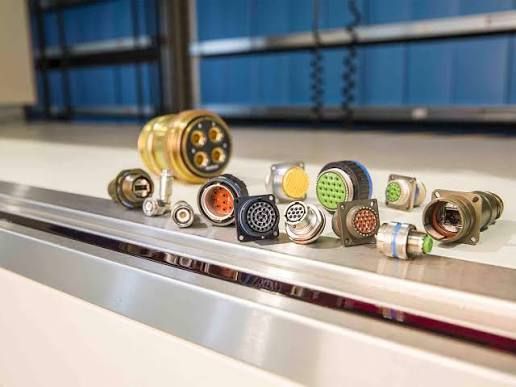
Understanding the Role of Circular Connectors in Modern Systems
Introduction In today's increasingly connected world, reliable electrical connections are essential to the performance of countless devices and systems. Whether it is industrial machinery, medical equipment, transportation systems, aerospace technology, or communication networks, connectors play a critical role in ensuring that power, signals, and data move safely and efficiently between components. Among the many connector designs available, circular connectors have become one of the most widely used solutions across industries. Recognized by their round shape and durable construction, these connectors are designed to withstand demanding environments while maintaining dependable performance. Although they often go unnoticed, circular connectors contribute significantly to the operation of modern systems. They support equipment reliability, simplify installation processes, and enable efficient maintenance in applications where secure connections are essential. This guide explores the role of circular connectors, their benefits and limitations, major categories, emerging innovations, practical selection tips, and best practices for long-term use.
What Are Circular Connectors?
Circular connectors are electrical connectors characterized by their cylindrical housing and multiple contact arrangements. They are designed to connect and disconnect electrical circuits while protecting the contacts from environmental influences such as moisture, dust, vibration, and mechanical stress.
These connectors can transmit:
- Electrical power
- Analog signals
- Digital data
- Control signals
- Communication signals
Their compact design and robust construction make them suitable for applications where reliability and durability are important.
Why Circular Connectors Matter in Modern Systems
Modern systems rely heavily on uninterrupted communication between components. A single connection failure can affect productivity, safety, or system performance.
Circular connectors help address these challenges by providing:
- Secure electrical connections
- Resistance to harsh environments
- Simplified assembly and maintenance
- Compact installation solutions
- Long operational life
As industries adopt automation and interconnected technologies, the demand for dependable connectivity solutions continues to grow.
Benefits of Circular Connectors
Circular connectors offer several advantages that contribute to their widespread adoption.
Durability
Many circular connectors are designed to withstand vibration, shock, and repeated mating cycles.
Environmental Protection
Sealed designs help prevent contamination from dust, moisture, and chemicals.
Easy Installation
Their shape and locking mechanisms often simplify connection and disconnection.
Space Efficiency
Compact designs enable use in confined environments.
Versatility
Circular connectors support numerous applications and signal types.
Reliable Performance
Secure contact systems help reduce the risk of accidental disconnection.
Limitations of Circular Connectors
Despite their benefits, circular connectors have certain limitations.
Higher Cost for Specialized Designs
Advanced connectors designed for harsh environments may cost more.
Contact Density Constraints
Rectangular connectors may accommodate more contacts in certain applications.
Compatibility Considerations
Not all connector systems are interchangeable.
Maintenance Requirements
Exposure to harsh environments can require periodic inspection.
Specialized Knowledge
Some applications demand technical expertise during selection and installation.
Understanding both strengths and limitations helps users make informed decisions.
Major Types of Circular Connectors
Circular connectors are available in various designs suited to different environments.
1. Standard Circular Connectors
These connectors are commonly used in industrial and commercial systems.
Common Applications
- Manufacturing equipment
- Control panels
- General electronics
Advantages
- Widely available
- Cost-effective
- Versatile
2. Circular Plastic Connectors
Constructed using lightweight materials.
Common Applications
- Medical devices
- Consumer electronics
- Portable equipment
Advantages
- Lightweight
- Corrosion resistant
- Easy handling
3. Metal Shell Circular Connectors
Designed for demanding environments.
Common Applications
- Aerospace systems
- Defense equipment
- Transportation systems
Advantages
- Excellent durability
- Superior shielding
- Strong environmental resistance
4. Waterproof Circular Connectors
Feature enhanced sealing properties.
Common Applications
- Outdoor equipment
- Marine applications
- Renewable energy systems
Advantages
- Moisture protection
- Dust resistance
- Improved reliability
5. High-Speed Data Circular Connectors
Developed to support growing communication requirements.
Common Applications
- Industrial automation
- Robotics
- Communication networks
Advantages
- Faster data transmission
- Improved signal integrity
- Support for advanced technologies
Comparison Table: Types of Circular Connectors
| Connector Type | Common Uses | Main Advantages | Considerations |
|---|---|---|---|
| Standard Circular | Industrial equipment | Versatile and affordable | General protection |
| Plastic Circular | Medical devices | Lightweight | Lower mechanical strength |
| Metal Shell | Aerospace and defense | High durability | Higher cost |
| Waterproof | Outdoor systems | Environmental sealing | Seal maintenance |
| High-Speed Data | Automation systems | Fast communication | Application-specific |
Latest Trends and Innovations
Circular connector technology continues to evolve alongside modern systems.
Miniaturization
Manufacturers are developing smaller connectors without sacrificing performance.
Benefits include:
- Space savings
- Reduced equipment size
- Improved flexibility
Higher Data Speeds
Industrial communication requirements continue to increase.
Modern connectors support:
- Faster transmission rates
- Improved bandwidth
- Enhanced signal quality
Enhanced Environmental Protection
Advanced sealing technologies improve resistance to challenging environments.
Hybrid Connectors
Some solutions combine power, signal, and data transmission within a single connector.
Advantages include:
- Reduced cabling complexity
- Simplified installation
- Improved efficiency
Smart Manufacturing Compatibility
Connectors increasingly support automated systems and Industrial Internet of Things (IIoT) applications.
Key Features to Consider
Selecting the appropriate connector involves evaluating several factors.
Contact Count
Determine how many circuits require connection.
Current Rating
Assess power requirements carefully.
Voltage Rating
Ensure compatibility with operating conditions.
Environmental Protection
Review ingress protection requirements.
Locking Mechanism
Choose a design suited to vibration and movement levels.
Material Selection
Consider corrosion resistance and durability needs.
Mating Cycles
Evaluate how frequently the connector will be connected and disconnected.
Shielding Requirements
Applications involving sensitive signals may require electromagnetic shielding.
Connector Selection Checklist
Before choosing a connector, consider the following questions:
- What type of signals will be transmitted?
- What current and voltage levels are required?
- Will the connector operate outdoors?
- Is moisture protection necessary?
- How much installation space is available?
- How often will connections be disconnected?
- Are vibration levels significant?
- Is electromagnetic shielding needed?
- What maintenance resources are available?
- Does the connector meet industry standards?
Answering these questions can simplify the selection process.
Top Companies and Connector Solutions
Several manufacturers offer circular connector solutions across industries.
TE Connectivity
Known for broad connector portfolios serving industrial and transportation markets.
Strengths:
- Extensive product selection
- Global presence
- Application diversity
Amphenol
One of the largest connector manufacturers worldwide.
Strengths:
- Aerospace expertise
- Harsh environment solutions
- Strong reputation
Molex
Provides connectivity solutions for industrial and commercial applications.
Strengths:
- Innovation focus
- Diverse offerings
- Automation compatibility
Phoenix Contact
Recognized for industrial automation solutions.
Strengths:
- Reliable industrial products
- User-friendly designs
- Strong support capabilities
Fischer Connectors
Specializes in high-performance connector systems.
Strengths:
- Rugged construction
- Compact designs
- Specialized applications
Comparison Table: Leading Connector Manufacturers
| Company | Primary Focus | Notable Strength |
| TE Connectivity | Industrial and transportation | Broad portfolio |
| Amphenol | Aerospace and industrial | Harsh environment expertise |
| Molex | Automation and electronics | Innovative solutions |
| Phoenix Contact | Industrial systems | Ease of integration |
| Fischer Connectors | Specialized applications | Rugged performance |
The ideal solution depends on technical requirements, support availability, and budget considerations.
How to Choose the Right Circular Connector
Selecting the right connector involves more than comparing specifications.
Understand Application Requirements
Define operational conditions and performance expectations.
Consider Environmental Conditions
Temperature, humidity, dust, and vibration all influence connector choice.
Review Compliance Standards
Certain industries require connectors that meet specific regulations.
Balance Cost and Performance
The least expensive option may not deliver long-term value.
Evaluate Future Expansion
Consider whether system upgrades may require additional functionality.
Consult Technical Documentation
Manufacturer specifications provide valuable guidance.
Tips for Best Use and Maintenance
Proper maintenance can extend connector lifespan and reduce failures.
Inspect Regularly
Look for:
- Physical damage
- Loose fittings
- Corrosion
- Seal deterioration
Keep Connectors Clean
Remove contaminants using recommended cleaning methods.
Avoid Excessive Force
Improper handling can damage contacts.
Verify Tight Connections
Ensure locking mechanisms engage correctly.
Protect Unused Connectors
Use protective caps where appropriate.
Follow Manufacturer Guidelines
Maintenance intervals and procedures vary by design.
Train Personnel
Proper handling practices reduce accidental damage.
Maintenance Checklist
Use this checklist during routine inspections:
- Examine connector housings.
- Inspect contacts for wear.
- Check seals and gaskets.
- Verify locking mechanisms.
- Clean connection surfaces.
- Inspect cable strain relief.
- Confirm secure mounting.
- Replace damaged components promptly.
- Document inspection findings.
- Follow recommended maintenance schedules.
Frequently Asked Questions
What are circular connectors used for?
They are used to transfer power, signals, and data in industries such as manufacturing, transportation, healthcare, and telecommunications.
Why are circular connectors preferred in harsh environments?
Many designs provide resistance to dust, moisture, vibration, and mechanical stress.
Can circular connectors transmit data?
Yes. Certain models support high-speed data communication applications.
Are circular connectors waterproof?
Some connectors are specifically designed with sealing features for outdoor and wet environments.
How long do circular connectors last?
Service life depends on operating conditions, mating frequency, and maintenance practices.
Can connectors be repaired?
In some cases, damaged components can be replaced. However, replacement options vary by design.
How often should connectors be inspected?
Inspection frequency depends on environmental conditions and application criticality.
Are all circular connectors interchangeable?
No. Compatibility depends on design specifications and manufacturer standards.
Conclusion
Circular connectors play an essential role in modern systems by enabling reliable power delivery and communication between components. Their durability, versatility, and resistance to demanding conditions have made them indispensable across industries ranging from industrial automation and healthcare to aerospace and transportation.
Understanding the different connector types, their advantages and limitations, and the factors involved in selecting and maintaining them can help users make informed decisions. Rather than focusing solely on initial cost, considering environmental requirements, performance expectations, and long-term reliability often leads to better outcomes.
As technologies continue to evolve, circular connectors are adapting through innovations such as miniaturization, hybrid functionality, and support for high-speed communications. By carefully evaluating application needs and following recommended maintenance practices, organizations and individuals can improve system reliability and maximize the value of their connectivity solutions.
Although they are often hidden behind equipment panels and protective housings, circular connectors remain a fundamental part of the systems that power modern life.