Industrial Solar Panel Guide: Features, Specs & Green Energy Benefits
Introduction Industrial energy demand continues to rise as manufacturing, warehousing, and large-scale operations expand. At the same time, energy costs and environmental concerns are pushing industries to look for more sustainable and cost-effective solutions. Industrial solar panels have emerged as a practical option, helping businesses reduce dependence on conventional power sources while lowering long-term operating costs. This guide explains industrial solar panels in a clear and straightforward way. It covers how they work, their benefits and limitations, types available, key specifications, and how to choose the right system. Whether you are exploring solar for the first time or looking to upgrade an existing setup, this article is designed to help you make informed decisions.
What Are Industrial Solar Panels?
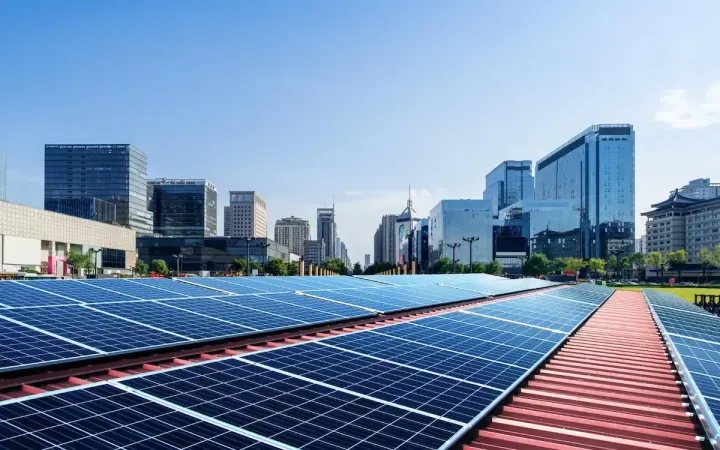
Industrial solar panels are large-scale photovoltaic (PV) systems designed to generate electricity for factories, warehouses, and other commercial facilities. Unlike residential systems, they are built to handle higher loads and are often installed on rooftops, open land, or integrated into infrastructure.
These systems typically include:
- Solar panels (modules)
- Inverters
- Mounting structures
- Monitoring systems
- Optional battery storage
Benefits of Industrial Solar Panels
1. Reduced Energy Costs
Solar panels allow industries to generate their own electricity, significantly lowering monthly power bills over time.
2. Environmental Sustainability
Solar energy reduces greenhouse gas emissions and reliance on fossil fuels, helping businesses meet environmental goals.
3. Energy Independence
On-site power generation reduces dependence on grid electricity and protects against price fluctuations.
4. Low Operating Costs
Once installed, solar systems require relatively low maintenance compared to traditional energy sources.
5. Long-Term Investment
Industrial solar panels typically last 20–25 years, providing long-term financial and operational benefits.
6. Government Incentives
Many regions offer subsidies, tax benefits, or net metering policies to encourage solar adoption.
Limitations of Industrial Solar Panels
While beneficial, solar systems also have some limitations:
- High Initial Cost: Installation requires significant upfront investment.
- Space Requirements: Large installations need sufficient roof or land area.
- Weather Dependence: Energy generation varies with sunlight availability.
- Energy Storage Costs: Batteries add to overall system expense.
- Maintenance Needs: Panels must be kept clean and operational for optimal efficiency.
Types of Industrial Solar Panels
Industrial solar panels come in different types, each with unique characteristics:
1. Monocrystalline Panels
- High efficiency (15–22%)
- Longer lifespan
- Higher cost
- Suitable for limited space
2. Polycrystalline Panels
- Moderate efficiency (13–17%)
- Lower cost than monocrystalline
- Slightly lower performance
3. Thin-Film Panels
- Lightweight and flexible
- Lower efficiency (10–12%)
- Ideal for large surfaces with less weight capacity
Comparison Table: Types of Solar Panels
| Feature | Monocrystalline | Polycrystalline | Thin-Film |
|---|---|---|---|
| Efficiency | High | Medium | Low |
| Cost | High | Medium | Low |
| Space Requirement | Less | Moderate | More |
| Lifespan | Long | Long | Moderate |
| Best Use Case | Limited space | Budget setups | Large surfaces |
Key Specifications to Understand
When evaluating industrial solar panels, these technical specifications are important:
1. Power Output (Wattage)
Indicates how much electricity a panel can generate under standard conditions.
2. Efficiency
Represents how effectively panels convert sunlight into electricity.
3. Temperature Coefficient
Shows how performance changes with temperature; lower values are better.
4. Durability and Build Quality
Includes resistance to weather conditions such as wind, rain, and dust.
5. Warranty
Typically includes:
- Product warranty (10–15 years)
- Performance warranty (20–25 years)
6. Degradation Rate
Indicates how much efficiency declines over time.
Latest Trends and Innovations
1. Bifacial Solar Panels
These panels capture sunlight from both sides, increasing overall energy generation.
2. Solar Tracking Systems
Panels that follow the sun’s movement to maximize exposure and output.
3. AI-Based Monitoring
Smart systems track performance and detect faults in real time.
4. Floating Solar Farms
Panels installed on water bodies to save land space and improve efficiency.
5. Integrated Energy Storage
Battery systems that store excess power for use during non-sunny hours.
Key Features to Consider
When selecting an industrial solar system, consider the following:
- Efficiency and output capacity
- Available installation space
- Local climate conditions
- System scalability
- Maintenance requirements
- Compatibility with existing infrastructure
- Monitoring and control systems
Top Companies and Solutions
Some well-known global manufacturers and solution providers include:
- Tata Power Solar
- Adani Solar
- Waaree Energies
- First Solar
- Trina Solar
- Canadian Solar
These companies offer a range of industrial solar products and services, including installation, maintenance, and system design. When comparing providers, review product specifications, warranties, certifications, and project experience.
How to Choose the Right Industrial Solar System
Choosing the right system requires careful planning:
Step-by-Step Checklist
- Assess your energy consumption
- Evaluate available space (roof or land)
- Set a realistic budget
- Check local regulations and incentives
- Compare panel types and efficiencies
- Review installer experience and certifications
- Consider future expansion needs
Installation Considerations
- Structural strength of the installation site
- Orientation and tilt angle of panels
- Shading from nearby structures
- Grid connection and approvals
Proper installation directly affects system performance and longevity.
Tips for Best Use and Maintenance
Maintenance Checklist
- Clean panels regularly to remove dust and debris
- Inspect wiring and connections periodically
- Monitor system performance using software tools
- Schedule professional inspections annually
- Ensure inverter and battery systems are functioning properly
Regular maintenance helps maintain efficiency and prevents unexpected issues.
FAQs
1. How long do industrial solar panels last?
Most panels last between 20 to 25 years, with gradual efficiency reduction over time.
2. Can solar panels power an entire factory?
Yes, depending on system size and energy consumption. Some facilities use solar as a primary source, while others use it as a supplementary source.
3. What happens during cloudy days?
Panels still generate electricity but at reduced efficiency. Battery storage or grid support can help maintain supply.
4. Are industrial solar systems scalable?
Yes, systems can be expanded as energy needs grow.
5. Is maintenance expensive?
Maintenance costs are relatively low compared to traditional energy systems.
6. Do solar panels work in all climates?
Yes, but efficiency varies. Panels perform best in areas with consistent sunlight.
Conclusion
Industrial solar panels offer a practical and sustainable solution for meeting large-scale energy demands. While the initial investment can be significant, the long-term benefits—such as reduced energy costs, lower environmental impact, and improved energy independence—make them a worthwhile consideration for many industries.
The key to success lies in understanding your energy needs, evaluating available options, and choosing a system that aligns with your operational goals. With proper planning, installation, and maintenance, industrial solar systems can deliver reliable performance for decades.
As industries continue to move toward cleaner energy solutions, solar power stands out as a balanced approach that combines efficiency, sustainability, and long-term value.